
We’re now on Instagram!
Cintropur is expanding its digital presence – and we’re excited to announce the launch of our official Instagram channel!
Discover our content and stay tuned for everything we will be sharing with you in the future.


Pesticides, pharmaceutical residues, industrial chemicals, heavy metals, nitrates … and even synthetic drugs: today, our water can contain substances that escape most conventional treatment processes. Even at very low concentrations, these substances may have cumulative or synergistic effects on human health over time.
Diffuse pollution – hard to detect
Drinking water contamination doesn’t only come from agriculture or industry. It can also result from domestic use, wastewater discharge, or aging infrastructure.
A striking example was revealed in the latest report from the European Monitoring Centre for Drugs and Drug Addiction. According to the study, levels of synthetic drug residues such as MDMA and methamphetamines have surged in Belgian wastewater. In Brussels, traces of methamphetamines increased 23-fold in ten years, while MDMA residues rose fivefold.
Although these analyses focus on wastewater, they clearly demonstrate how saturated our environment is with new chemical substances – some of which can end up in our water supply.
How to protect yourself? The Cintroclear® solution
In response to these invisible but troubling pollutants, Cintropur offers an effective and sustainable household water purification solution: the Cintroclear® system.
Thanks to its multi-stage filtration technology, Cintroclear® can:
-
Trap suspended particles
-
Reduce nitrates, which are common in rural water sources
-
Remove chemical residues and heavy metals using activated carbon
-
Neutralize viruses and bacteria with a 0.03 μm ultrafiltration membrane
-
Destroy pathogens with a UV disinfection unit
All this without removing essential minerals or discharging water into the sewer. It’s a practical, eco-friendly solution that’s easy to install in your kitchen.

Prevention is protection
Drinking water pollution is constantly evolving: new molecules, new sources, new risks. Waiting for standards to adapt to every new contaminant is no longer a viable option. With a system like Cintroclear®, you take a proactive step to ensure your family has cleaner, safer water – every day.
Learn more
Discover how the Cintroclear® system works and find the right model for your installation at www.cintropur.com
Premium Material, Smart Design
The CINTROPUR stainless steel sleeve is made from a single layer of AISI 316L stainless steel, available in two levels of filtration fineness: 50 μm and 90 μm. Unlike traditional square-shaped screens, the CINTROPUR sleeve features a unique S-shaped weaving pattern with vertical weft threads, ensuring greater mechanical stability and filtration efficiency.
Key Advantages at a Glance
-
Exceptional Stability:
The S-shaped weave provides excellent structural integrity, maintaining performance over time even under pressure variations. -
Maximized Filtration Surface:
With filtration areas ranging from 530 cm² up to 1288 cm², the sleeve allows for efficient water flow and extended service life. -
Slower Clogging Rate:
Thanks to the optimized surface area and weave pattern, dirt accumulation is more evenly distributed—resulting in longer intervals between maintenance. -
Simplified Cleaning Process:
The stainless steel construction makes the sleeve easy to clean and ideal for frequent, repeated use. -
Optional Silver Treatment:
An optional silver bacteriostatic treatment is available for applications where enhanced hygiene is needed.
Safe and Certified Assembly
Each sleeve is carefully assembled in our workshop using a high-strength, food-grade glue, fully certified by KTW, ACS, KIWA, KOMO, and WRAS. The result is a perfect seal between the raw water and the filtered water, guaranteeing performance and safety.
You can order the stainless steel sleeve as a standalone item (mounted on the cylindrical support with vane and cap), or pre-installed on a complete CINTROPUR filter unit.
Compatibility and Versatility
Our stainless steel sleeve is fully compatible with the following CINTROPUR models:
-
NW280
-
NW340
-
NW400
-
NW500
-
NW650
-
NW800
The Long-Term Choice for Professionals
Whether you’re filtering water in agricultural, industrial, or commercial installations, the CINTROPUR stainless steel sleeve offers a reliable, long-lasting filtration solution that meets the highest standards of quality and hygiene.

A short flashback to two inspiring days at Walibi!
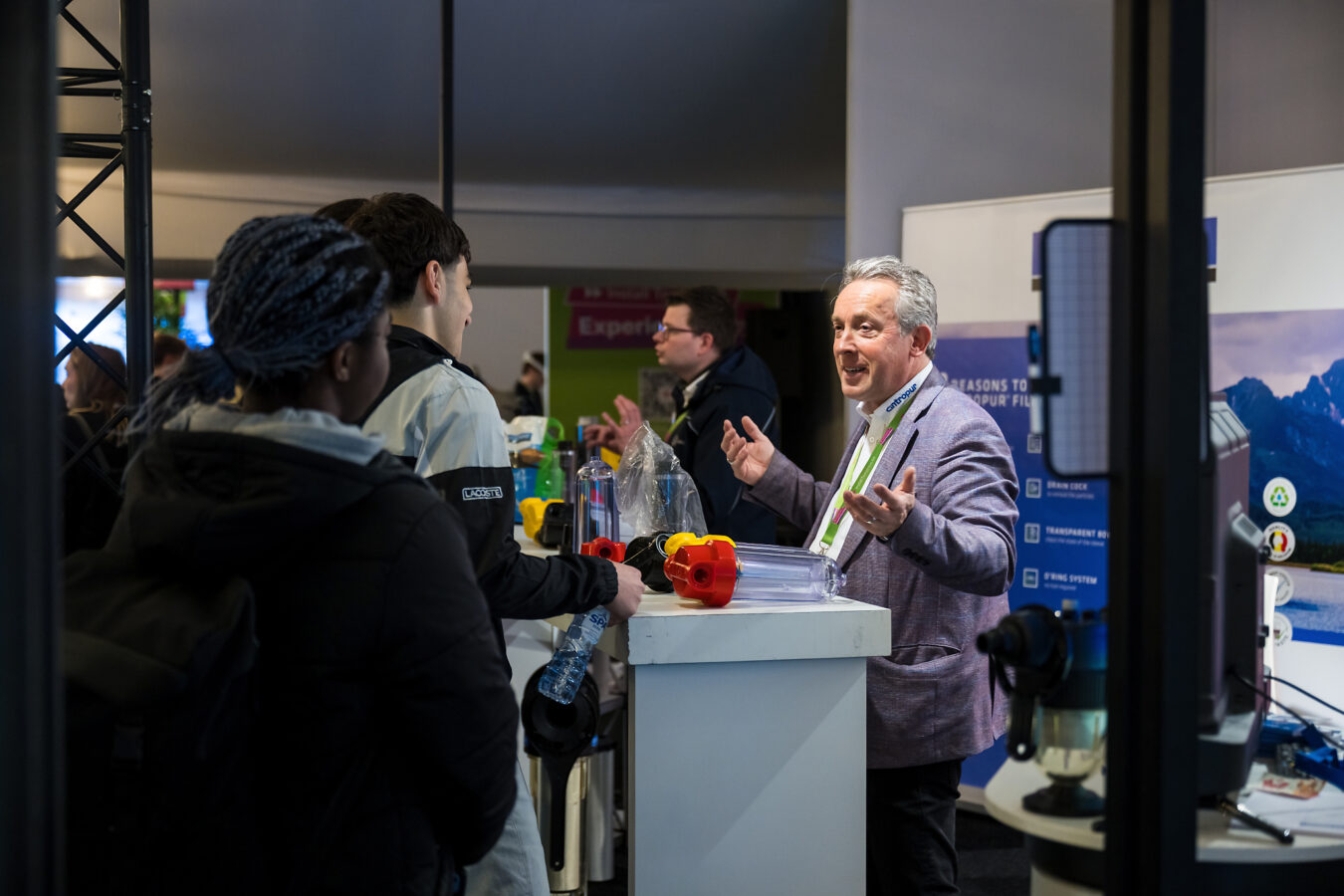
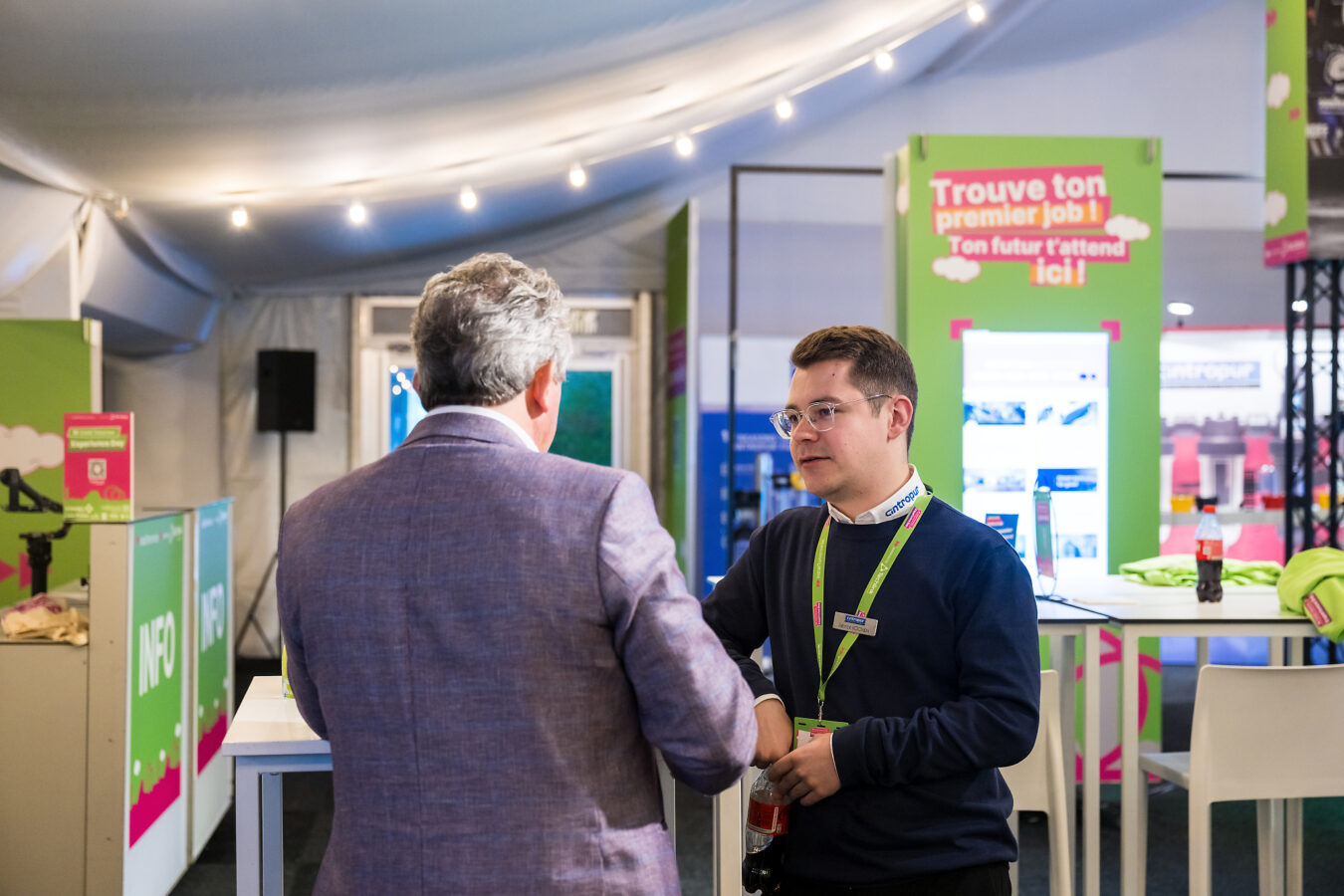
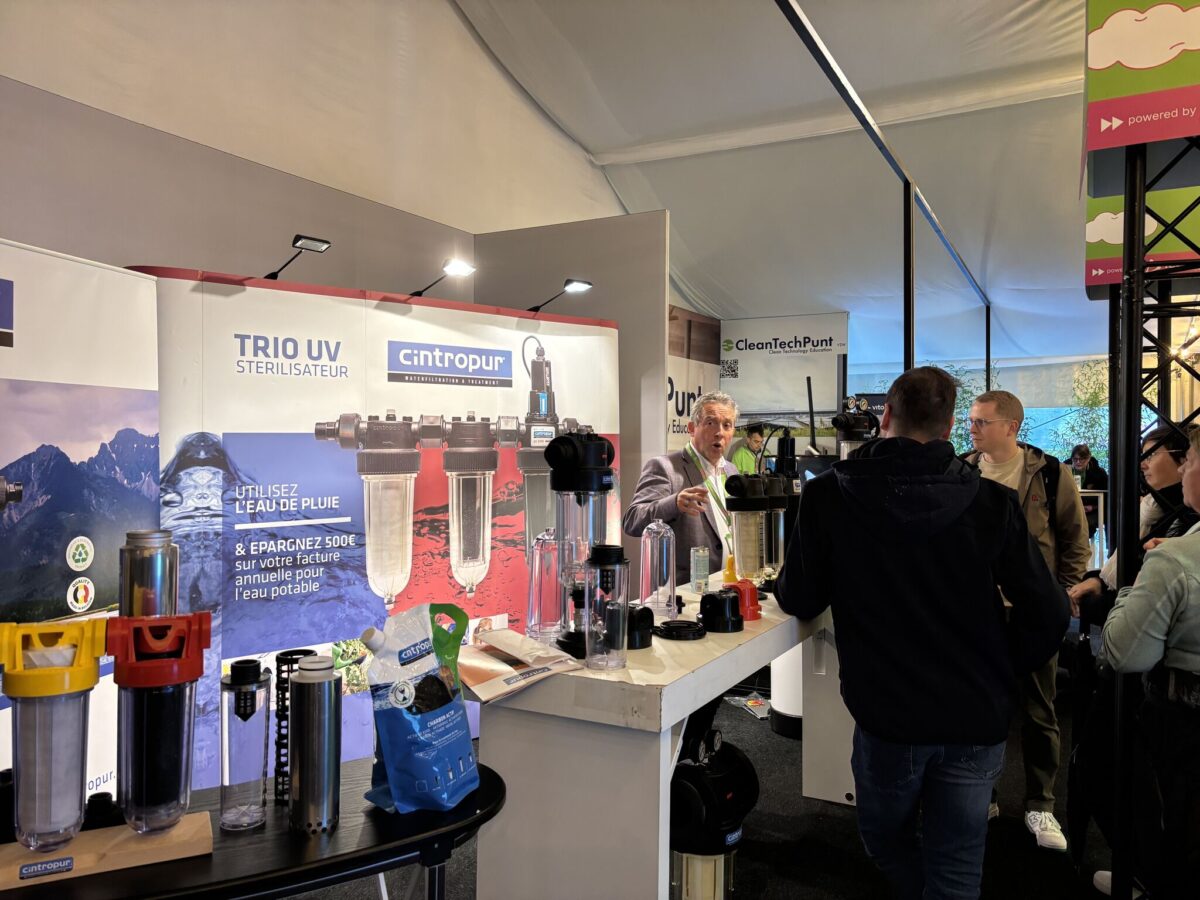
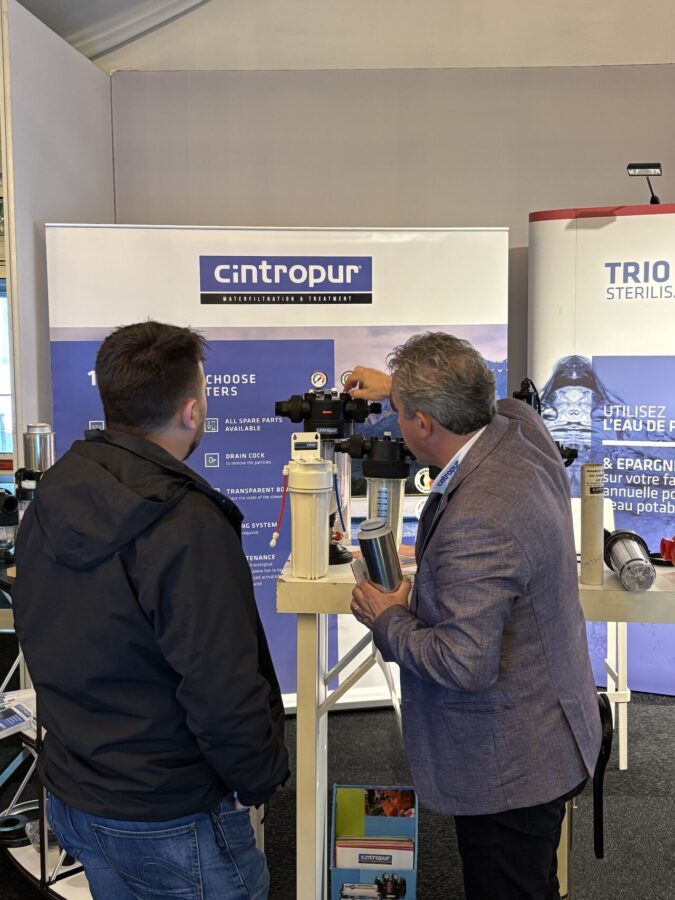
On April 24 and 25, we joined over 2,000 students and teachers from technical and sanitary fields for the Install Tomorrow Experience Day, an initiative by Techlink that shines a light on the next generation of skilled professionals.
At the Cintropur booth, we connected with future talents and ran a hands-on workshop that sparked real curiosity and engagement.
💡 In a world facing both a skills shortage and an energy transition, empowering young minds in technical careers is more crucial than ever.
And if these bright students are any indication — the future looks promising!







Another trade show has come to an end.
Many of you took the opportunity to visit us at AQUATECH in Amsterdam and spend some time with us – for that, we sincerely thank you.
For around twenty years, CINTROPUR has been welcoming its distributors and installers at its booth at Aquatech Amsterdam. Aquatech is the international trade fair that brings together all key players in the water industry.
Once again, these four days provided the perfect opportunity to exchange experiences in a pleasant atmosphere – accompanied by a glass of beer, Belgian chips, and/or chocolate.
This year, we had the pleasure of welcoming hundreds of visitors to our booth.
Aquatech Amsterdam remains a fantastic platform – and this edition was no exception! A huge thank you to everyone who stopped by our booth.
We had inspiring conversations, exchanged great ideas, and built valuable connections with many incredible professionals from around the world.
One highlight was the outstanding team spirit within Cintropur throughout these four days. Together, we will achieve new goals!


Cutting-Edge Technology for Optimal Disinfection
UV sterilization works by emitting ultraviolet radiation that destroys the DNA of microorganisms present in the water, preventing them from reproducing. This technology is both highly effective and environmentally friendly, as it generates no chemical by-products and does not alter the taste or smell of the water.
The UV 6100 and UV 10100 models are equipped with next-generation amalgam lamps, specifically designed to provide a constant radiation output over a lifespan of 24 months. Unlike conventional UV lamps, these lamps are resistant to temperature variations and retain 90% of their efficiency even after 16,000 hours of use. Additionally, they have a very fast warm-up time, reaching full power in approximately 60 seconds.
The UV 6100 Sterilizer: Compact and Reliable
The UV 6100 model is designed to meet the needs of households and communities requiring effective water disinfection. It is equipped with a 60W amalgam lamp and a ballast integrated into an aluminum cast housing, powder-coated for better resistance to environmental conditions. Its peripheral seal ensures optimal waterproofing, compliant with IP65 standards.
With an adjustable treatment flow rate, it can purify up to 3.4 m³ of water per hour at a dose of 40 mJ/cm² and up to 5.5 m³/h at a dose of 25 mJ/cm². Its installation is quick and simple, with a wall mounting system and a drain valve included. A translucent connector allows visual inspection of the UV lamp’s operation, providing easy and effective monitoring.
For installations requiring pre-filtration and activated carbon treatment, the 3-in-1 version offers the UV 6100 TRIO, designed for a flow rate of 3.5 m³/h.
The UV 10100 Sterilizer: High Performance and Advanced Control
Designed for industrial applications and larger communities, the UV 10100 sterilizer delivers higher power with a 95W amalgam lamp. It stands out with its integrated ballast, featuring a bright LCD screen that displays real-time operational data. This model is also equipped with an EEPROM backup system that retains settings even in the event of a power outage.
The UV 10100 is designed to handle larger water volumes, with a flow rate of 4.25 m³/h at 40 mJ/cm² and up to 6.8 m³/h at 25 mJ/cm². Its operation is further enhanced by a dual monitoring system: the LCD screen with a visual and audible alarm, along with a translucent PVDF support that enables UV light visibility even in low-light conditions.
For customers seeking a triple-function model (filtration + activated carbon + UV sterilization), the UV 10100 TRIO is the ideal solution. The connection flanges between devices ensure a compact and secure assembly, providing a flow rate of up to 5.5 m³/h.
A Robust and Durable Design
The UV 6100 and UV 10100 sterilizers are built with high-quality materials, ensuring outstanding reliability. Their treatment chamber is made of 316L stainless steel with a one-millimeter thickness. Thanks to its mirror effect, it optimizes UV radiation diffusion, thereby enhancing disinfection efficiency.
Both models feature a spring-mounted quartz support, which plays a key role in keeping the quartz in place while protecting it from potential damage, particularly during transport. This support is designed to avoid obstructing water flow through the drain valve, ensuring the system operates at peak efficiency.
A Reliable and Cost-Effective Solution for Pure Water
The Cintropur UV 6100 and UV 10100 sterilizers stand out for their reliability, performance, and ease of use. Designed for a wide range of applications, they provide an effective and chemical-free solution for water disinfection. Their robust construction and advanced functionality ensure a prolonged lifespan and reduced maintenance costs.
Thanks to their cutting-edge technology, these devices are perfectly suited for households, industries, agricultural operations, and communities seeking to guarantee pure and safe water.
👉 Choose high-performance and long-lasting water purification with the Cintropur UV 6100 and UV 10100 sterilizers!
This is a sine qua non for optimum operation of your filtration and water treatment equipment. Regular maintenance and timely replacement of filter screens, activated carbon or UV lamps are essential to guarantee consistent water quality. In this article, we’ll show you how to maintain your Cintropur systems and what maintenance intervals we recommend.
Domestic range: Filter screens and activated carbon
Filter screens
The filter screens in your Cintropur filters are responsible for removing solid particles such as sand, earth and rust particles. They should be replaced depending on the quality of the water and the frequency of use. We recommend that you check the filter screens regularly and replace them at least every 6 months.
Activated carbon
The activated carbon in your Domestic range filter eliminates unwanted tastes and odours as well as chlorine, pesticides and herbicides. The lifespan of the activated carbon depends on the application:
- Drinking water: every 3 months or at the latest after 20,000 times the volume of carbon used in your water filter.
- Other applications: at least every 6 months.
Regular replacement ensures the continued efficiency of your filters.
Semi-Industrial and Industrial ranges: Filter bags and activated carbon
In the Semi-Industrial and Industrial ranges, regular replacement of filter bags and activated carbon is also essential:
- Filter screens: check them regularly depending on use and water quality. At a delta P of 2 bars, we strongly recommend replacing them.
- Activated carbon: follow the same replacement recommendations as for the Domestic range.
UV filters: Replacing the UV lamp
UV sterilisers are a highly effective method of eliminating bacteria and viruses from water. To ensure their long-term effectiveness, it is essential to replace the UV lamps in good time. One important piece of information: the blue light from the UV lamp is not an indicator that it is working properly. After the recommended period of use, the lamp loses its effectiveness, even if it is still switched on.
Replacement intervals according to lamp type :
- Mercury lamp (UV2100 and UV4100 models): 1 x / year (12 months).
- Amalgam lamp (models UV6100 and UV10100) : Every 2 years.
- Lamp protection quartz: Every 5 years.
The indicator on the filter head gives you a clear signal when replacement is required.
Why is regular maintenance important?
The efficiency of a UV steriliser is only as good as its regular maintenance. Regular maintenance not only ensures the continued high performance of your Cintropur systems, but also extends their lifespan. A well-maintained system offers :
- Consistent water quality that meets your expectations: Clean, safe water for your home, business or industry.
- Efficiency: A well-maintained steriliser is an efficient appliance for consistent sterilisation quality.
- Durability: The more regular and timely your maintenance, the longer it will last.
Conclusion
Make the most of the start of the year to ensure effective maintenance of your Cintropur / Cintroclear filters and purifiers. Check and replace filter bags, activated carbon and UV lamps regularly, as recommended. This will ensure that your water filtration system is working reliably in 2025.
Do you have any questions about our products or need spare parts? Contact our team – we’ll be happy to help!
New year, new dates!
We are pleased to announce that we will be taking part in the Aquatech trade fair in Amsterdam again this year. It’s the world’s largest exhibition on water, taking place from 11 to 14 March 2025.
This four-day meeting is the ideal place to exchange experiences in a pleasant setting. We will be presenting our full range of water filtration products for you there. Meet us at booth 02.402.
About the Event
Opening hours
| Tuesday 11 March 2025 | 10.00 – 18.00 hrs |
| Wednesday 12 March 2025 | 10.00 – 18.00 hrs |
| Thursday 13 March 2025 | 10.00 – 18.00 hrs |
| Friday 14 March 2025 | 10.00 – 16.00 hrs |
It will be our pleasure to welcome you at our stand.
Will we meet you at Aquatech Amsterdam 2025?
At Cintropur, sustainability is a priority. By optimising our products and packaging, we aim to contribute to a circular economy by reducing waste and promoting recycling.
Introduced to the market this year as a replacement for cardboard barrels, our activated carbon sachets, made from 100% polyethylene (PE), are officially recyclable. Although this packaging is neither compostable nor biodegradable, its design fully integrates it into a recycling cycle, thereby extending the life of the materials.
The circular economy is based on a simple philosophy: use resources intelligently to prevent them from becoming unnecessary waste. Unlike the linear model of ‘produce, consume, throw away’, the circular economy proposes to reuse, recycle and enhance. In this way, we improve the efficiency of our processes to reduce their environmental impact.
What’s more, these bags meet high technical standards: they offer an excellent barrier against moisture and gases thanks to their solvent-free laminated structure. This durability guarantees optimum protection for the activated carbon, while enabling efficient recycling.
With these advances, Cintropur reaffirms its commitment to a more sustainable future. Together, we can turn environmental challenges into opportunities to build a world that is more respectful of our resources.
Drinking Water Policies
In 2012, the Netherlands adopted a Drinking Water Policy for 2021-2026 aimed at ensuring good quality and sufficient drinking water for all Dutch people. Adapted in 2022, this policy establishes a collaboration between the central government, local authorities, drinking water companies, and stakeholders to promote responsible drinking water use.
Context
Periods of drought and limitations in the expansion capacities of water companies have highlighted concerns about the future availability of drinking water.
Growing Population and Increasing Demand
The demand for drinking water is expected to be higher in 2030 than in 2020, requiring an additional production capacity of 100 million m³ annually. Population growth and the construction of 900,000 new homes by 2030 increase the demand for drinking water, while climate change reduces the availability of clean water.
National Plan of Action to Save Drinking Water (NPvA)
The NPvA aims to achieve the objectives of the 2021-26 policy and meet the projected demands for 2030. It proposes measures to reduce drinking water consumption, including changing consumer behaviors, valuing water, retention, storage, and recovery.
Objectives of the Plan
- Reduce per capita drinking water consumption to 100 liters per day by 2035 (currently 125 liters).
- Reduce drinking water consumption by large-scale consumers by 20%.
- Make water-conscious construction the norm for new buildings and renovations by 2035.
- Limit the use of drinking water for low-value applications.
Households
Households, responsible for 74% of drinking water consumption in 2020, are targeted for water savings. Major uses are showers (41%), toilet flushing (29%), and washing machines (18%). Initiatives such as shorter showers, effective communication about water use, and smart meters are proposed for 2024-25 and beyond.
New Construction and Renovation
By 2035, water-conscious construction should become the norm, with the integration of rainwater and greywater collection systems. These systems could save 30 to 48 liters of drinking water per person per day, with costs ranging from 4,000 to 7,000 euros per system.
Professional Users
Professional users are diverse and require tailored solutions. Benchmarks for different sectors will be established to define target consumption values. Water-saving measures for new buildings and renovations will be considered for professional users.
Research and Collaboration
Research will be conducted to assess the effects of pricing and taxation on reducing drinking water use. The use of data science and smart meters will help optimize the drinking water network and identify possible improvements.
Conclusion
The plan emphasizes the need for cooperation between the government, provinces, municipalities, water boards, consumers, drinking water companies, and the construction and installation sector. It recognizes that achieving the goals requires a long-term commitment and continuous adjustments based on new ideas and developments.
Call to Action
The plan encourages the sharing of innovations and research results on water technology. Aquatech exhibitors are invited to update their company profiles with their latest press releases for free exposure.
Text taken from a publication by Aquatech Online.